
A low taper fade is one of the most versatile men’s haircuts because it cleans up the sideburns and neckline while keeping most of the hair on the sides and top. Instead of creating a dramatic fade high on the head, the blend stays low and subtle. That makes it suitable for school, work, formal events, and everyday wear.
The style can be paired with a textured crop, quiff, curls, waves, fringe, side part, slick back, buzz cut, or longer textured top. It also works across straight, wavy, curly, and coily hair when the barber adjusts the blend to the hair’s density and growth pattern. If you want a haircut that looks fresh without making your hairstyle feel completely different, this is one of the safest options to consider.
What Is a Low Taper Fade?
A low taper fade gradually reduces hair length around the sideburns and neckline while leaving most of the side panel intact. The blend normally begins close to the ears and lower hairline rather than climbing toward the temples.
The important word is low. It describes where the shortening begins.
A typical version can use a #0.5, #1, or similar short length at the lowest point, followed by longer guards as the barber blends upward. However, guard numbers are not universal rules. The final result depends on hair texture, density, head shape, and the barber’s technique.
Quick answer
A low taper fade is best for someone who wants clean edges, a subtle transition, retained side volume, and a hairstyle that grows out naturally.
Low Taper Fade vs Low Fade
These two haircuts are frequently confused, but they are not exactly the same.
| Feature | Low Taper Fade | Low Fade |
| Fade area | Sideburns and neckline | Wider lower section of sides and back |
| Side volume | More retained | More removed |
| Overall appearance | Subtle | More noticeable |
| Contrast | Lower | Higher |
| Grow-out | Usually softer | More visible |
| Best for | Conservative and versatile looks | Stronger faded appearance |
A low fade generally creates a continuous faded section around the lower sides and back, while a taper concentrates the shortening around the edges.
If you are unsure, show your barber a side and back reference photo and specifically say whether you want the hair above the ears left full.
15 Best Low Taper Fade Styles
One reason this haircut remains popular is that the taper can be combined with almost any style on top. Here are some of the most practical variations.
Classic Low Taper Fade

The classic version keeps the top natural while cleaning up the sideburns and neckline. It is an excellent choice if you want a polished haircut without an aggressive fade.
Low Taper Fade With Textured Crop
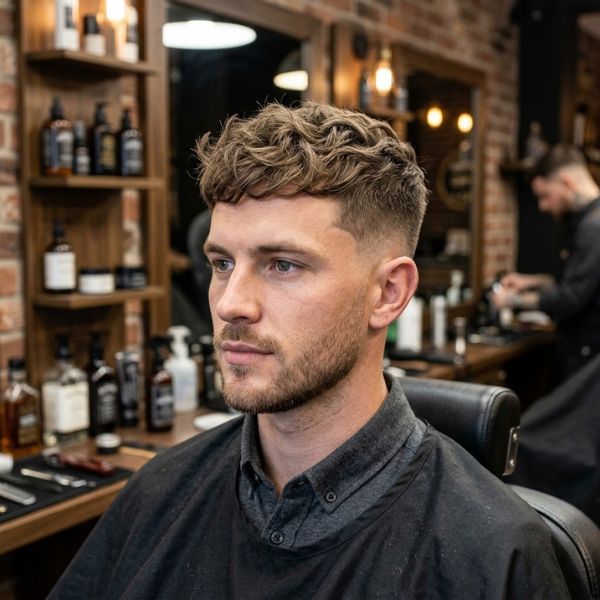
A textured crop adds short, irregular texture on top while the low blend keeps the sides neat. This works especially well for men who prefer low-effort styling.
Low Taper Fade With Quiff
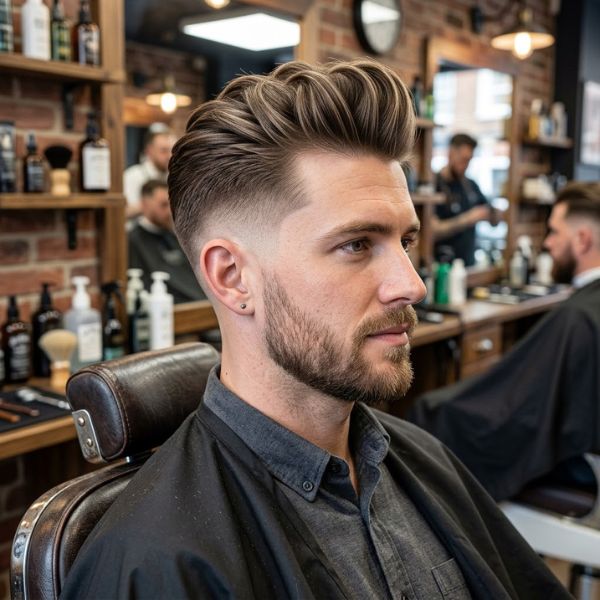
The quiff creates height at the front while the subtle taper keeps the lower sides controlled. It is a strong option for a modern smart-casual appearance.
Low Taper Fade With Curly Hair

Curly hair benefits from keeping volume on top while cleaning the area around the ears and neckline. The result keeps the natural curls as the main feature.
Low Taper Fade With Waves

A wave style can look sharper when the sideburns and neckline are carefully tapered. Keeping enough weight around the sides helps the waves remain the focus.
Low Taper Fade With Fringe
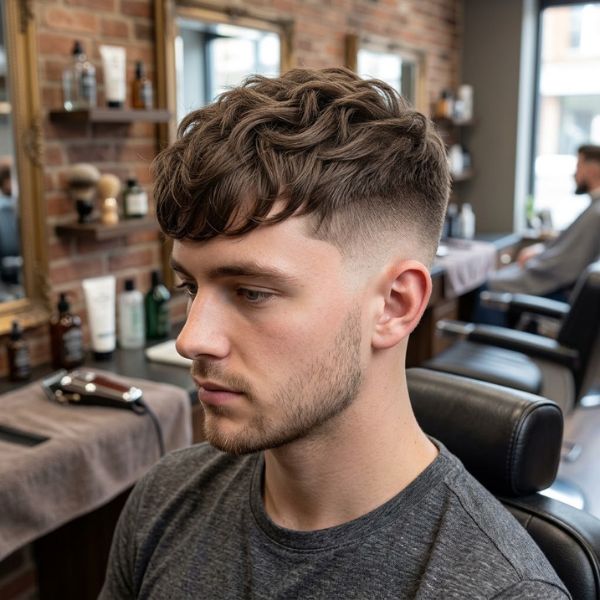
A forward fringe gives the haircut a youthful appearance. The low taper creates structure without competing with the front section.
Low Taper Fade With Side Part
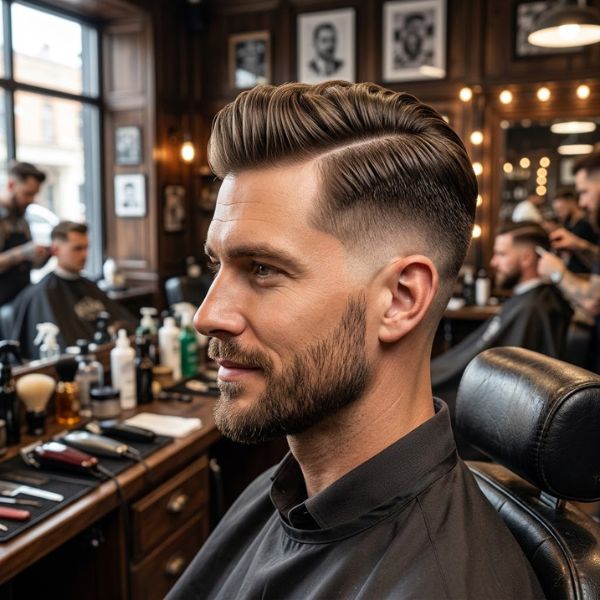
The side part combines traditional styling with a modern edge cleanup. It is particularly suitable for professional environments.
Low Taper Fade With Slick Back

Keeping the sides relatively full gives a slick back more structure than an extremely high fade. Use a lightweight styling product if you want movement instead of a stiff finish.
Low Taper Fade With Buzz Cut
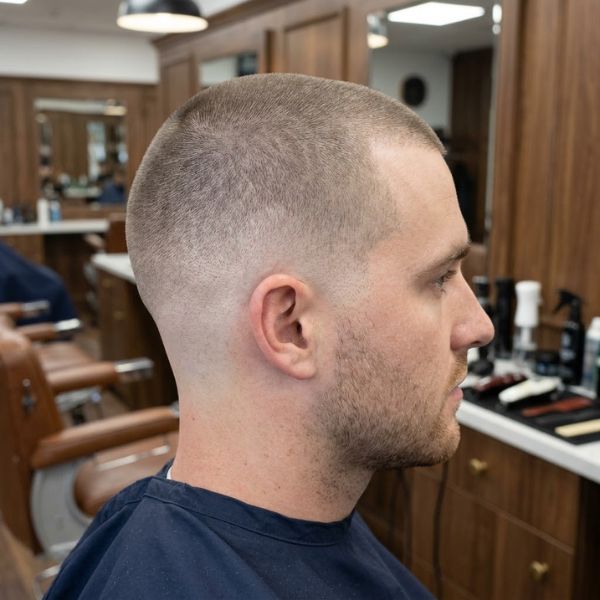
A short buzz cut can be given extra definition by tapering the sideburns and neckline. This is one of the easiest options to maintain.
Low Taper Fade With Short Curls

Short curls and a clean taper create a compact, balanced silhouette. The barber should avoid removing too much volume if your curls naturally expand.
Low Taper Fade With Long Top

Keeping additional length on top gives you more styling flexibility. You can switch between messy texture, a side sweep, a quiff, or a brushed-back finish.
Low Taper Fade With Hard Part
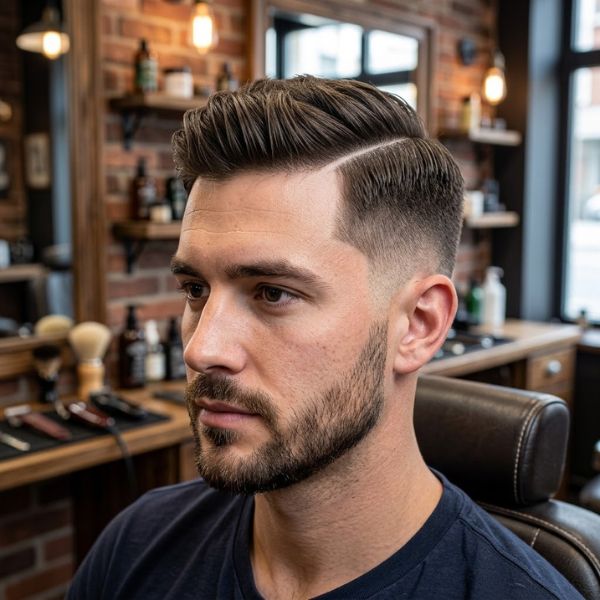
A defined part creates stronger contrast and makes the haircut look more structured. This is better for someone who wants the taper to feel more noticeable.
Low Taper Fade With Afro Texture

For coily or tightly textured hair, tapering the temples and nape can sharpen the overall outline while retaining volume above. The technique should follow the natural shape of the hair.
Low Taper Fade With Edgar Style

An Edgar-inspired top can be combined with a low taper for a sharper contemporary appearance. Keep the front shape intentional and discuss the desired level of contrast with your barber.
Low Taper Fade With Natural Texture
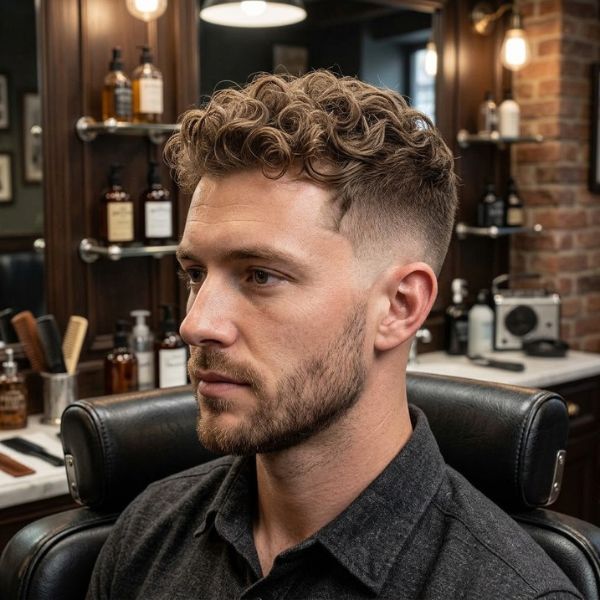
For men who do not want a highly styled appearance, leave the top relatively natural and focus on a clean perimeter. This is arguably the most flexible version for everyday wear.
Low Taper Fade for Different Hair Types
Hair texture can significantly change how the blend looks. A good barber should adjust the technique rather than use exactly the same approach for everyone.
Straight Hair
Straight hair shows blending mistakes easily because there is less natural texture to disguise uneven transitions. A softer blend and controlled top shape can produce a particularly crisp result.
Good combinations include:
- Textured crop
- Side part
- Fringe
- Slick back
- Short quiff
Wavy Hair
Wavy hair is naturally suited to a textured appearance. Keep enough length on top to allow the waves to form instead of cutting them too short.
A messy top with a clean taper can create an effortless finish.
Curly Hair
Curly hair looks best when the taper cleans the edges without destroying the natural curl pattern. The barber should consider shrinkage, curl density, and the direction in which your hair grows.
Coily Hair
Coily hair can pair particularly well with a temple and neckline taper. Keeping the upper sides fuller can preserve the natural shape while giving the haircut a cleaner outline.
Which Face Shape Suits This Haircut?
One of the advantages of this style is that it can be adapted to many face shapes. The bigger consideration is the shape and height of the hair on top.
Round Face
Add moderate height and texture on top. Avoid creating excessive width at the sides.
Oval Face
An oval face can handle many variations. You can experiment with crops, quiffs, curls, side parts, and longer tops.
Square Face
A textured or slightly natural top can complement a strong jawline without making the haircut look overly rigid.
Long Face
Avoid excessive height on top. Keeping a little more visual weight through the sides can create better proportions.
Heart-Shaped Face
A textured top with controlled volume can balance a narrower chin and broader upper face.
What Should You Tell Your Barber?
Instead of simply saying, “Give me a low taper,” give your barber more information.
Try this:
“I want a low taper around the sideburns and neckline. Keep the sides above the ears fuller, blend it gradually, and don’t take the fade too high. Keep the top around my current length and add texture.”
Then specify the shortest length you want.
For example:
- #0.5: Very short but softer than a full skin finish
- #1: Short and clean with easier grow-out
- #2: More conservative and less contrast
- Skin: Maximum scalp exposure and sharper contrast
Guard sizes are useful starting points, but they should not replace a discussion about the final shape.
How High Should a Low Taper Go?
The taper should remain close to the lower perimeter of the haircut. It generally focuses on the sideburn area and neckline rather than climbing high toward the temples.
If you want to keep the sides looking full, tell your barber:
“Keep the blend compact and leave the hair above the ears full.”
This simple instruction can prevent your haircut from accidentally becoming a low fade.
How Often Should You Get a Taper Touch-Up?
Maintenance depends on how short the bottom of your taper is and how quickly your hair grows.
A practical schedule is:
- Every 2 to 3 weeks: Best for a very crisp finish
- Every 3 to 4 weeks: Good for most standard versions
- Every 4 to 5 weeks: Suitable if you prefer a softer, natural grow-out
Recent barber guides commonly recommend roughly two to four weeks for maintaining a sharp appearance, although a guarded taper can remain presentable for longer.
You may not need a complete haircut every time. Ask your barber about a taper and lineup refresh between full appointments.
How to Style a Low Taper Fade
The haircut itself does much of the work, but the top determines your final appearance.
For a textured finish
Use a small amount of matte clay or texture paste and work it through slightly damp or dry hair.
For a natural finish
Use a lightweight cream and shape the hair with your fingers.
For a quiff
Blow-dry the front upward before applying a small amount of styling product.
For curls
Use a curl-friendly leave-in product and avoid excessive brushing after the curls form.
For a slick style
Use a suitable pomade or styling cream and comb the hair into position.
The key is to avoid using too much product. A clean taper looks better when the top still has natural movement.
Is a Low Taper Fade Low Maintenance?
Yes, compared with more aggressive fades, it can be relatively easy to maintain.
Because more hair remains on the sides, regrowth is usually less dramatic. A #0.5 or #1 taper can still look neat as it grows, while a very short skin finish will show regrowth sooner.
It is particularly useful for people who want a professional haircut without needing to visit the barber every week.
Low Taper Fade vs Mid and High Taper
The main difference is the height of the transition.
- Low taper: Keeps the blend close to the ears and neckline.
- Mid taper: Moves the transition higher and creates more visible contrast.
- High taper: Brings the shortened area toward the temples and creates a stronger change in shape.
Choose low if you want subtlety, mid if you want a more obvious modern shape, and high if you prefer stronger contrast.
Common Mistakes to Avoid
Even a simple haircut can go wrong if the instructions are unclear.
Avoid these mistakes:
- Asking for a taper without specifying how short you want the bottom
- Showing only a front photo
- Not telling the barber to preserve side weight
- Choosing a style without considering your hair texture
- Taking the taper too high
- Removing too much length from curly or coily hair
- Ignoring your natural neckline
- Expecting every barber to interpret “low taper” identically
Bring front, side, and back reference photos whenever possible. This gives your barber a much clearer idea of the desired silhouette.
Who Should Choose This Haircut?
This style is especially suitable if you want:
- A clean but understated haircut
- More length on the sides
- A professional appearance
- Flexible styling options
- A haircut that works with different textures
- A softer grow-out
- Less dramatic contrast than a skin or high fade
It may not be ideal if you specifically want a very high-contrast fade or a completely skin-tight appearance across the lower sides.
Frequently Asked Questions:
What is a low taper fade?
It is a gradual shortening around the sideburns and neckline that keeps most of the hair on the sides and top.
Is a low taper fade good for straight hair?
Yes. Straight hair can show the blend clearly, so precise barbering and a controlled top shape are especially important.
Is a low taper fade good for curly hair?
Yes. It cleans the edges while allowing the curls to retain their natural volume and movement.
How often should I get a low taper?
A refresh every two to four weeks is a practical starting point, depending on how sharp you want the haircut to remain.
Is a low taper the same as a low fade?
No. A taper focuses mainly on the sideburns and neckline, while a low fade usually creates a broader faded section around the lower sides and back.
What guard should I use for a low taper?
A #0.5, #1, or #2 can work depending on the desired contrast, hair density, and grow-out preference.
Does a low taper suit a round face?
Yes. Adding controlled height or texture on top can help create a more balanced appearance.
Is a low taper professional?
Yes. Its subtle transition makes it suitable for many professional and formal settings.
Can I get a low taper with long hair?
Yes. The taper can clean the edges while leaving significant length and styling flexibility on top.
What should I show my barber?
Bring clear front, side, and back reference photos and explain the desired taper height, shortest length, side weight, top length, and neckline.
Conclusion
The low taper fade stands out because it balances cleanliness with versatility. It removes bulk around the sideburns and neckline without taking over the entire haircut, allowing the top and natural hair texture to remain the main focus.
Whether you have straight, wavy, curly, or coily hair, the right variation can be adapted to your texture, face shape, lifestyle, and preferred maintenance schedule. The most important step is communicating the exact blend height, shortest length, retained side weight, and top length to your barber. If you want a haircut that looks modern without feeling overly aggressive, this is one of the strongest choices to take to the barbershop.