
A cukuran low fade is a men’s haircut where the hair gradually becomes shorter around the lower sides and back of the head while keeping more length toward the top. The word “cukuran” is commonly used in Indonesian and Malay contexts for a haircut or shaving style, while low fade describes the gradual transition that starts close to the ears and neckline.The low fade has become one of the most versatile men’s haircuts because it works with short, medium, and longer hairstyles.
It can be combined with a textured crop, quiff, pompadour, fringe, slick back, curly top, or classic side part. Unlike a high fade, the transition stays lower on the head, creating a more subtle and balanced appearance.Whether you want a clean everyday haircut or a modern barbershop style, a cukuran low fade gives you plenty of options. The right version depends on your face shape, hair type, preferred top length, and how much maintenance you are willing to do.
What Is a Cukuran Low Fade?
A cukuran low fade is essentially a low fade haircut with a gradual transition from very short hair around the lower sides and neckline to longer hair above it.
The fade usually begins close to the ears and gradually blends upward. The top remains noticeably longer, creating contrast without making the sides look excessively short.
A barber may use clippers, trimmers, scissors, or a combination of techniques to create the transition.
The main features include:
- Low fade around the ears
- Gradual blending toward the upper sides
- Shorter neckline
- Longer hair on top
- Clean and balanced appearance
- Flexible styling options
Classic Cukuran Low Fade
The classic low fade keeps the sides clean while leaving the top at a moderate length.
This is one of the easiest versions to maintain because the top can be styled in several ways. You can wear it naturally, add texture, create a side part, or style it backward.
Low Fade With Textured Crop
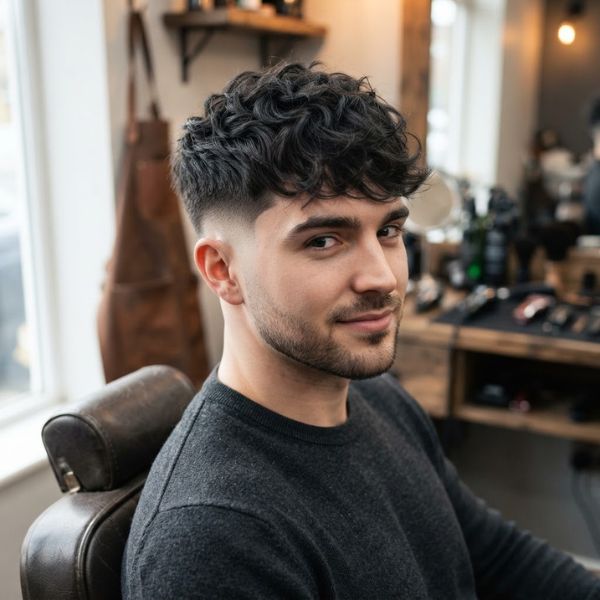
A textured crop combines a short textured top with a low fade.
The top is usually cut with visible separation, while the fringe can be worn forward or slightly toward the side. This creates a contemporary appearance without requiring a complicated styling routine.
Low Fade With Quiff
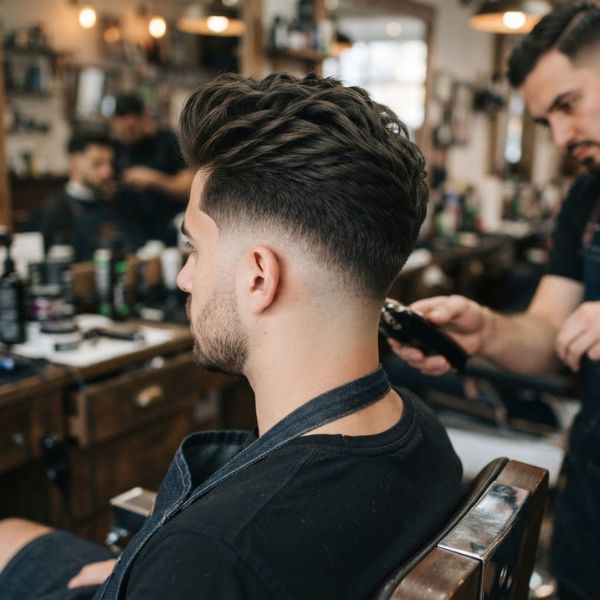
A quiff adds height at the front while the low fade keeps the sides neat.
This combination is ideal for men who want a stylish haircut with noticeable volume. A blow dryer and lightweight styling product can help create the required lift.
Low Fade With Side Part
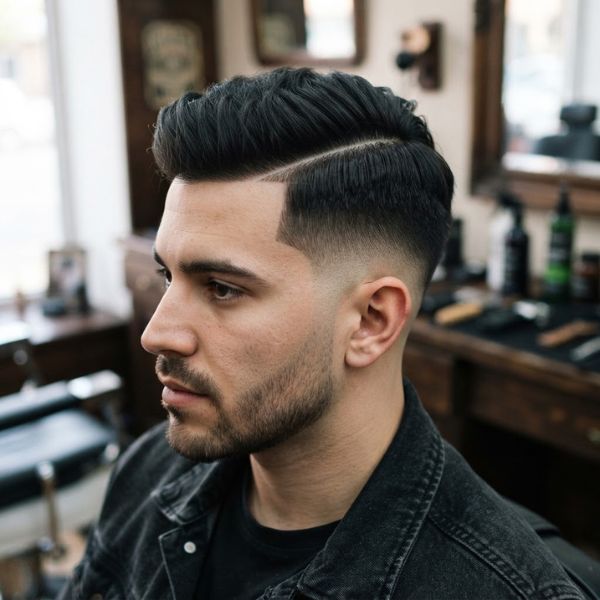
A side part gives the low fade a more traditional appearance.
The sides remain clean and tapered while the top is divided naturally or with a defined part. It can work particularly well for office settings, formal events, and professional environments.
Low Fade With Slick Back
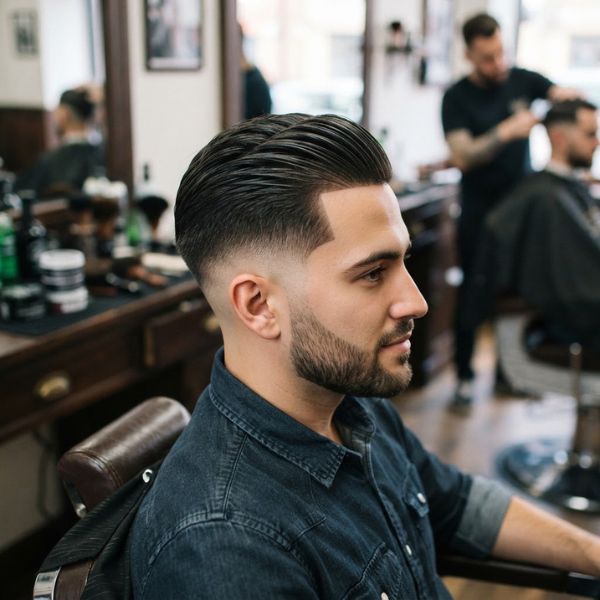
The slick back uses longer top hair that is brushed backward.
A low fade creates a clean foundation without removing too much hair from the sides. Use pomade or styling cream depending on whether you prefer a shiny or natural finish.
Low Fade With French Crop
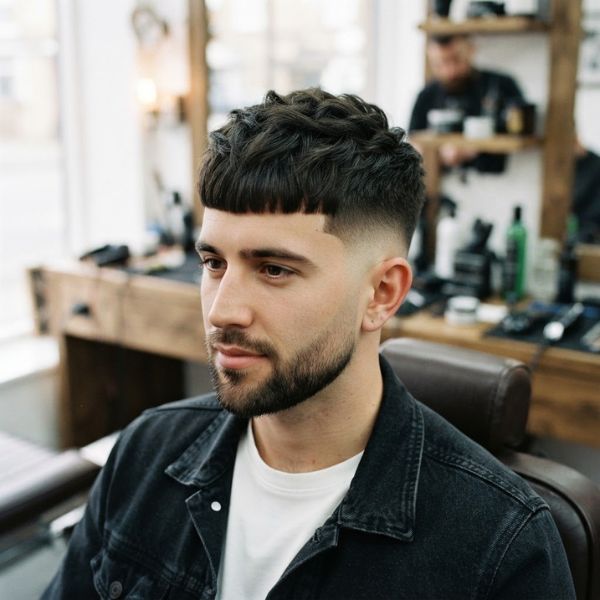
A French crop keeps the top relatively short with a forward directed fringe.
Combining it with a low fade creates a neat and modern haircut. It is especially practical for men who prefer low maintenance styling.
Low Fade With Fringe
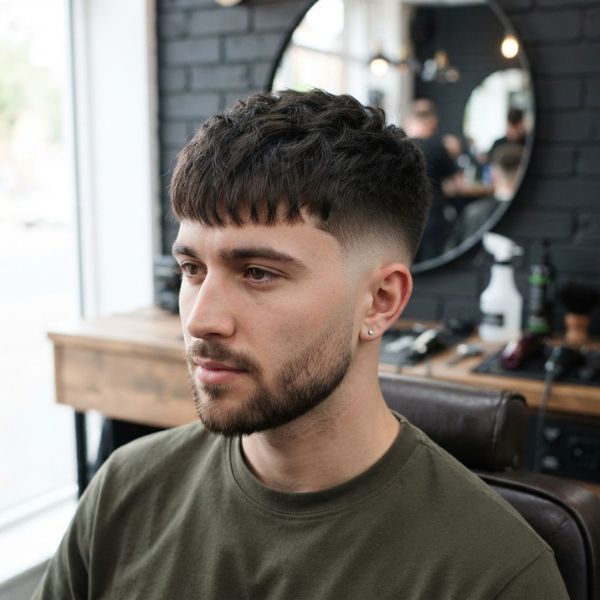
A fringe can be styled forward across the forehead while the low fade keeps the sides controlled.
You can choose a straight fringe, textured fringe, messy fringe, or slightly curved fringe depending on your face shape.
Low Fade With Curly Top
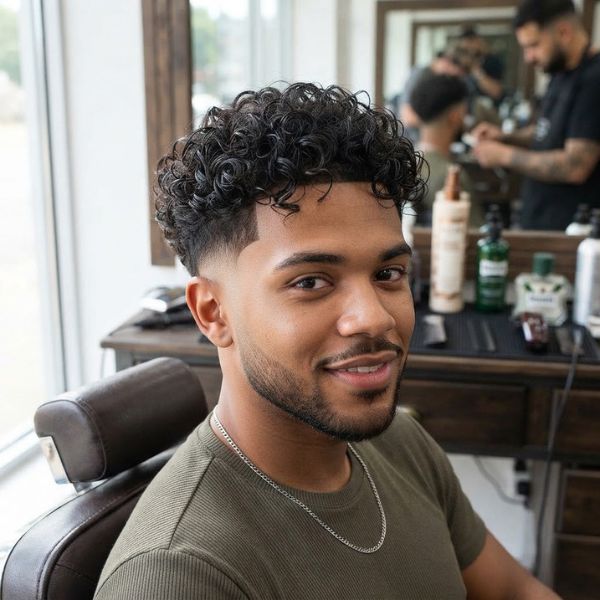
Curly hair looks excellent with a low fade because the shorter sides emphasize the natural texture on top.
Ask your barber to preserve enough length to show your curl pattern rather than cutting the top too short.
Low Fade With Wavy Hair
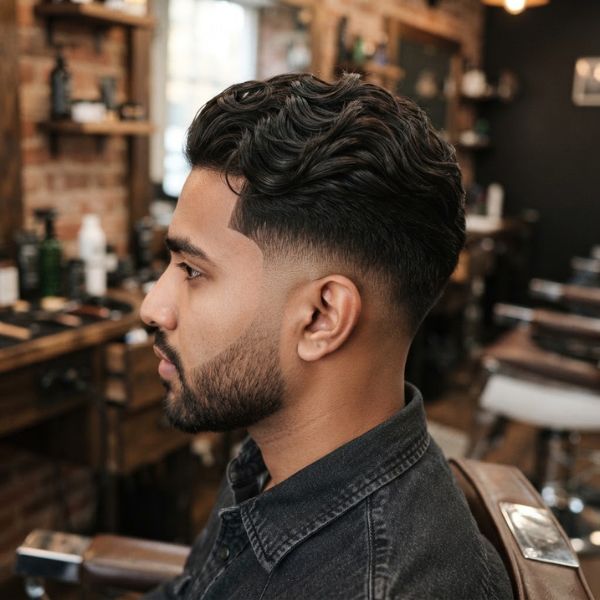
Wavy hair can create a relaxed and natural low fade hairstyle.
Instead of completely straightening the top, allow the natural waves to provide movement. A lightweight curl cream or styling cream can reduce frizz while maintaining texture.
Low Fade With Pompadour
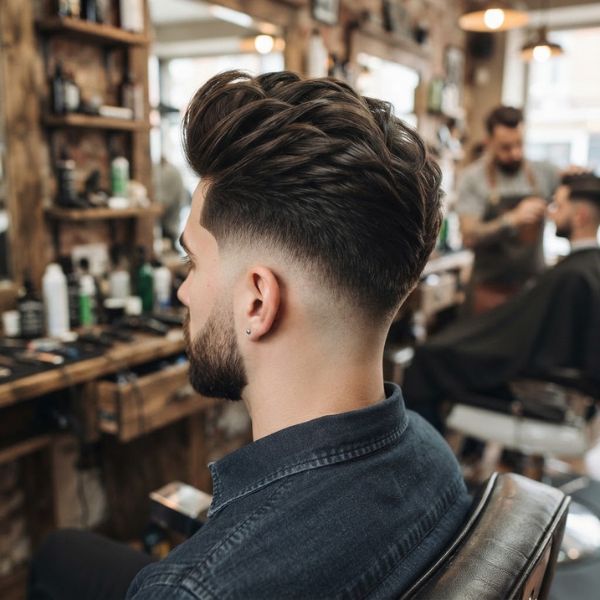
A pompadour creates significant volume through the front and upper section.
The low fade keeps the sides controlled while allowing the pompadour to remain the main feature. This is a stronger styling option and may require regular blow drying.
Low Fade With Buzz Cut
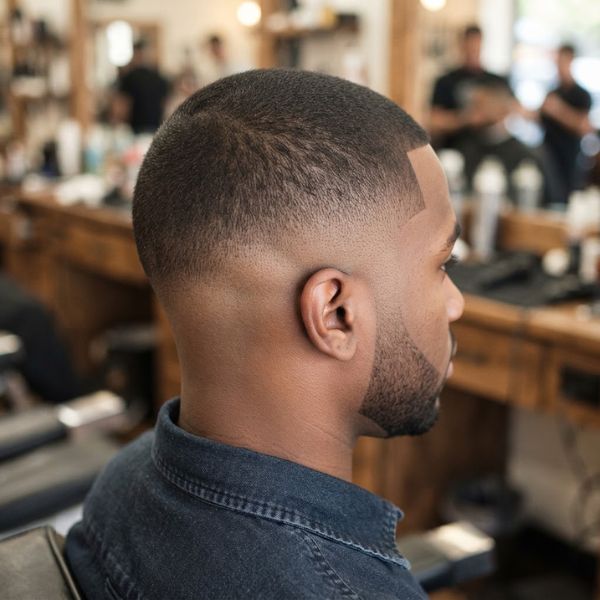
A buzz cut with a low fade is a simple option for men who want minimal styling.
The top remains short while the sides gradually become even shorter toward the ears and neckline.
Low Fade With Crew Cut
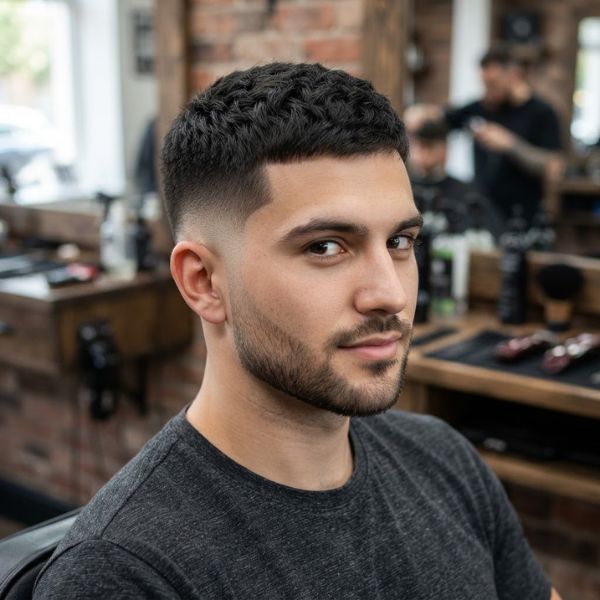
A crew cut provides a clean and practical appearance.
The low fade adds modern contrast while keeping the overall haircut conservative. It is suitable for men who want a haircut that looks sharp without requiring daily styling.
Low Fade With Caesar Cut
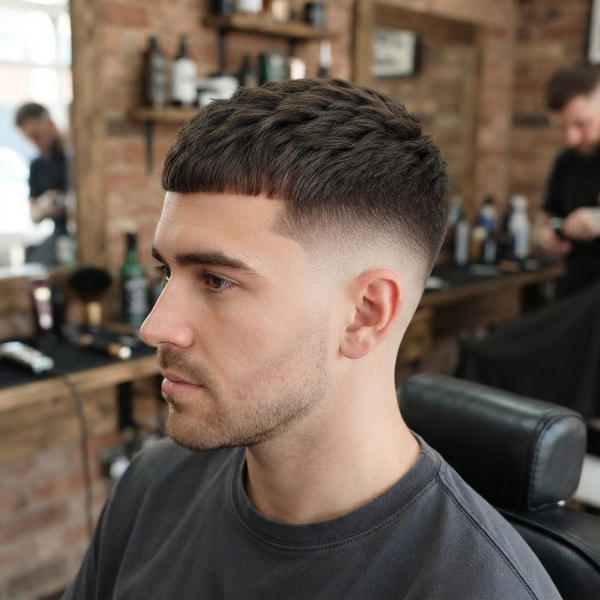
The Caesar cut features a short top and small forward fringe.
Adding a low fade creates a contemporary interpretation of the classic haircut. The style works particularly well when the top has enough texture to avoid looking too flat.
Low Fade With Messy Hair
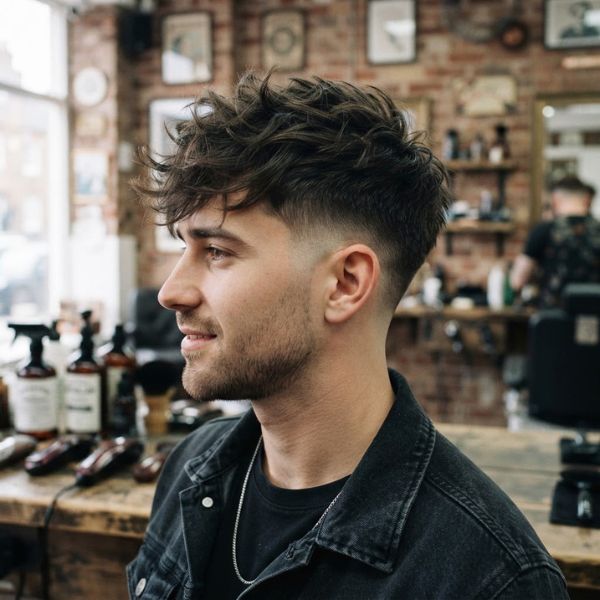
Messy hair adds a relaxed finish to the clean structure of a low fade.
Apply a small amount of matte clay or texture cream and use your fingers to create separation. Avoid making every strand look perfectly arranged.
Low Fade With Long Top
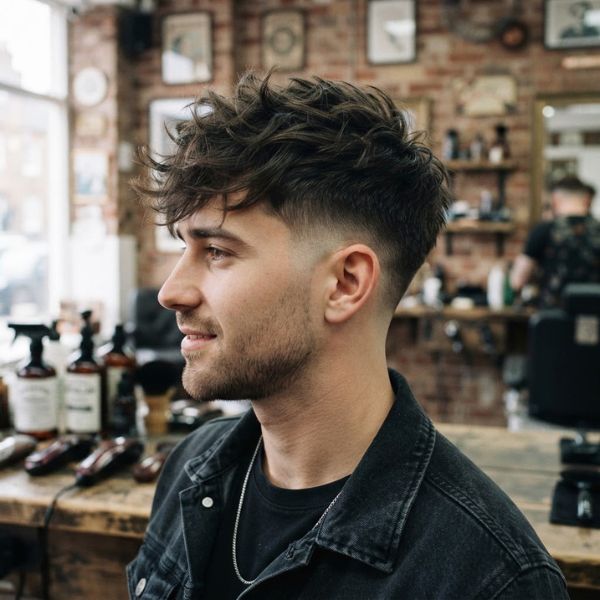
Keeping the top longer creates greater styling flexibility.
You can sweep it sideways, push it backward, create a quiff, or allow it to fall naturally over the forehead. The low fade provides a clean contrast without removing the longer hair you want to keep.
Low Fade With Middle Part
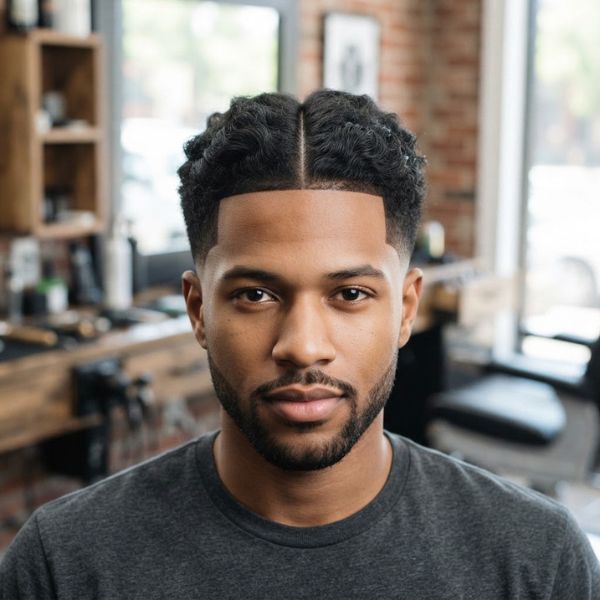
A middle part gives the low fade a softer, more relaxed appearance.
It works especially well with medium length hair because the longer sections can fall naturally on both sides of the face.
Low Fade With Beard
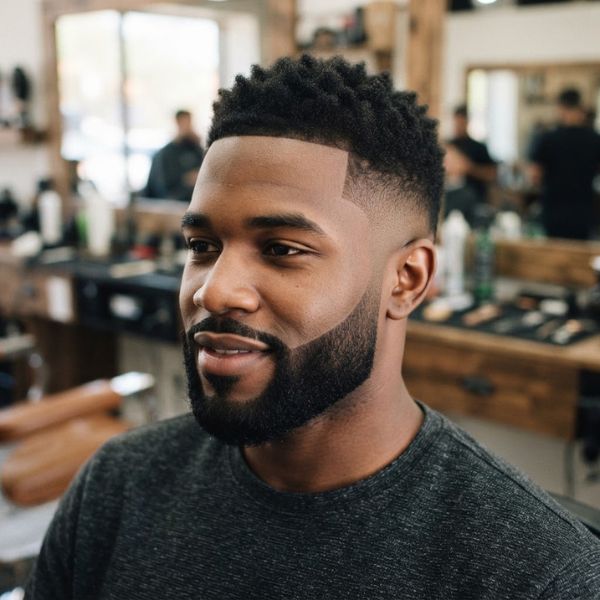
A low fade can transition naturally into a beard when the barber carefully blends the sideburn area.
The beard can add definition to the jawline, while the low fade keeps the upper sides neat.
The beard does not need to be extremely long. Even short stubble can complement the haircut.
Low Fade With Design
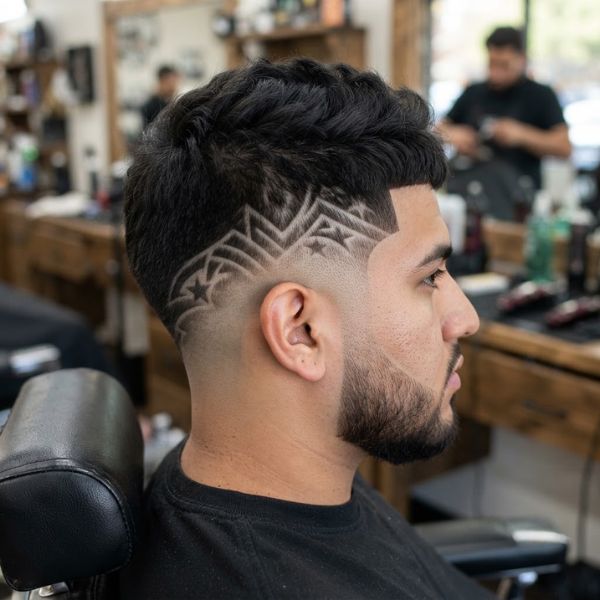
Hair designs can add a creative element to a low fade.
A subtle line near the fade can make the haircut more distinctive. However, designs require more frequent maintenance because they lose definition as the hair grows.
Low Fade for Thick Hair
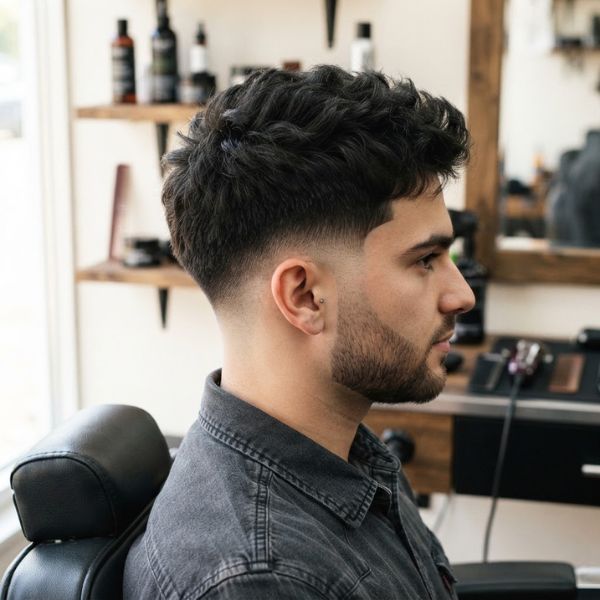
Thick hair provides plenty of volume for styling.
A low fade can remove some visual weight from the sides while allowing the top to remain full. Ask your barber to reduce bulk carefully instead of removing too much density.
Low Fade for Thin or Fine Hair
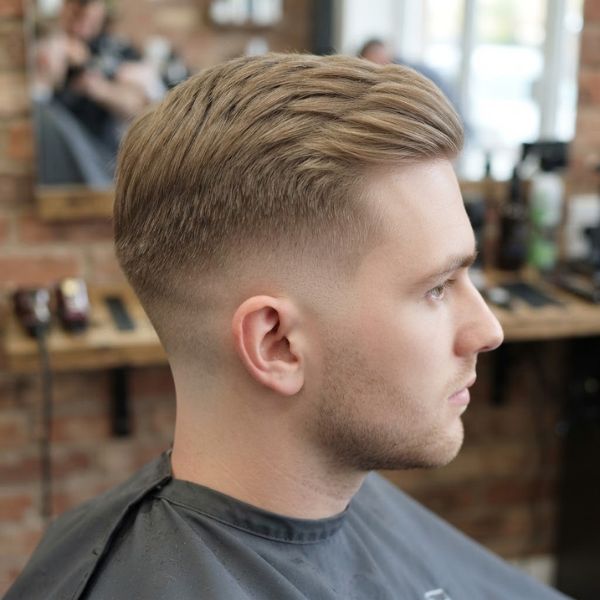
Fine hair can also work with a low fade.
Keeping the sides short creates the appearance of greater contrast with the top. Avoid heavy styling products because they can make fine hair appear flatter.
A lightweight volumizing product and blow dryer can help create fullness.
How to Choose a Low Fade for Your Face Shape
Your face shape can influence how high the fade should appear and how much volume you should keep on top.
Oval Face
An oval face works with most low fade variations. You can experiment with a crop, quiff, side part, or longer top.
Round Face
Add some height through the top to create a more elongated appearance. Avoid excessive width around the sides.
Square Face
A low fade can complement a strong jawline. Textured tops and short crops can emphasize the natural structure.
Long Face
Avoid creating excessive height. A fuller top with moderate texture can provide better balance.
Heart Shaped Face
A softer fringe or medium length top can balance a narrower chin.
Diamond Face
Moderate volume and textured sides can complement prominent cheekbones while maintaining facial balance.
How to Ask Your Barber for a Low Fade
Simply saying “give me a low fade” may not provide enough information.
Show your barber a reference photo and explain:
- How short you want the sides
- Where you want the fade to begin
- How much length you want on top
- Whether you want a sharp or natural transition
- Whether you want a beard blend
- How you normally style your hair
A useful description is:
“I want a low fade that starts close to the ears and gradually blends upward. Keep the top longer and textured so I can style it naturally.”
If you want a very subtle fade, tell your barber that you want the transition kept low and soft.
How to Style a Low Fade at Home
The styling method depends on the top haircut.
For a simple textured style:
- Start with clean, slightly damp hair.
- Apply a small amount of styling cream or matte product.
- Blow dry the top in your preferred direction.
- Use your fingers to create texture.
- Add a small amount of product if additional control is needed.
- Finish with light hairspray if necessary.
For a slick back or quiff, use a round brush while blow drying to create volume and direction.
Best Products for a Low Fade
The fade itself does not require styling product. Your product choice mainly depends on the hair on top.
- Matte clay: Best for textured and messy styles.
- Styling cream: Good for natural movement.
- Pomade: Useful for slick backs and polished styles.
- Hair wax: Provides flexible control.
- Mousse: Helpful for volume.
- Texture powder: Useful for fine hair.
- Hairspray: Provides additional hold.
Use the smallest amount necessary. Heavy product can make the top look greasy or flat.
Low Fade vs Mid Fade
The biggest difference is where the transition begins.
A low fade starts close to the ears and lower back of the head, creating a subtle appearance.
A mid fade begins higher around the sides, producing stronger contrast.
Choose a low fade if you prefer a more conservative and natural transition. Choose a mid fade if you want more visible contrast between the top and sides.
Low Fade vs High Fade
A high fade begins much higher on the sides and creates a dramatic contrast.
A low fade leaves more hair around the temples and lower sides, making it easier to create a softer and more balanced appearance.
For men who want a versatile haircut that can work in both casual and professional settings, the low fade is often the safer choice.
How Often Should You Get a Low Fade?
Most men can refresh a low fade every three to five weeks.
Men who want extremely sharp edges may prefer a two to three week cleanup, while those who like a softer appearance can wait longer.
The top may not require a full haircut every time. Your barber can simply clean the fade and neckline while preserving the length on top.
Common Low Fade Haircut Mistakes
Making the Fade Too High
A fade that rises too far can start looking more like a mid or high fade. Clearly tell your barber that you want the transition kept low.
Removing Too Much From the Top
The top determines how many styling options you have. If you want a quiff, fringe, or slick back, keep enough length.
Ignoring Your Natural Hairline
Cowlicks, uneven growth, and hairline patterns can affect the final result. Your barber should work with your natural growth rather than forcing the hair into an unnatural shape.
Using Too Much Product
Heavy product can make the haircut look greasy and reduce natural texture.
Forgetting the Neckline
A clean neckline makes the entire haircut look fresher. Ask your barber whether you want a natural or defined neckline.
Who Should Try a Cukuran Low Fade?
A low fade is a good choice for men who want:
- A clean but not overly aggressive haircut
- Versatile styling options
- A modern barbershop appearance
- Shorter sides with more length on top
- A haircut that works with many face shapes
- Compatibility with straight, wavy, curly, thick, and fine hair
- Easy adaptation to professional and casual settings
The style is flexible enough to work with almost any top haircut when the proportions are adjusted correctly.
Frequently Asked Questions About Cukuran Low Fade:
What is a cukuran low fade?
A cukuran low fade is a haircut where the hair gradually becomes shorter around the lower sides and neckline while the top remains longer.
Is a low fade good for men?
Yes. A low fade is one of the most versatile men’s haircuts because it works with many top styles, hair types, and face shapes.
How long does a low fade last?
A low fade generally looks sharp for around two to five weeks, depending on hair growth and how clean you want the fade to remain.
Is a low fade better than a high fade?
Neither is universally better. A low fade gives a softer and more subtle appearance, while a high fade creates stronger contrast.
Can curly hair have a low fade?
Yes. A low fade works especially well with curly and textured hair because the shorter sides emphasize the natural volume on top.
Can a low fade work with long hair?
Yes. Keeping the top long provides many styling options, including slick backs, quiffs, middle parts, and textured flow.
Is a low fade easy to maintain?
The styling can be easy, but the fade needs regular trimming if you want to keep its clean appearance.
Does a low fade suit a round face?
Yes. Keeping some height and texture on top can make a round face appear more balanced.
Final Thoughts
A cukuran low fade is a versatile choice for men who want clean sides without the dramatic contrast of a high fade. Its low transition creates a balanced foundation that works with everything from a buzz cut and crop to a quiff, slick back, curls, waves, and longer hair.
The best low fade is not simply about choosing a number or copying a photograph. Your barber should consider your face shape, hair texture, density, hairline, and preferred styling routine. If you want a haircut that looks modern, professional, and easy to personalize, a low fade is an excellent starting point.