The low mullet haircut gives the classic mullet a cleaner and more wearable shape. Instead of making the sides extremely short or creating a dramatic high contrast, the haircut keeps the taper or fade lower around the ears and neckline while leaving length through the top and back. That small change makes a big difference.
A modern low mullet can look relaxed, textured, sharp, or edgy depending on the length, taper, layers, and hair texture. It works particularly well with straight, wavy, curly, and thick hair. If you like the idea of a mullet but do not want an overly aggressive haircut, a low version can be a strong middle ground.
What Is a Low Mullet Haircut?
A low mullet keeps the signature mullet structure of shorter sides and a longer back, but the transition is kept lower and softer.
In a low taper mullet, the taper usually stays close to the sideburn and neckline area, allowing more natural weight to remain higher on the sides. A low fade mullet removes more hair from the lower side area and creates a stronger contrast.
The defining features are:
- Shorter sides
- Longer back
- Low taper or low fade
- Textured or layered top
- Natural movement through the back
- Adjustable contrast
Current barber guides describe the low taper mullet as a modern version of the traditional mullet that keeps the transition low while preserving length and movement in the back.
Low Mullet Haircut vs Low Taper Mullet
The terminology can be confusing because barbers and hairstyle websites sometimes use “low mullet,” “low taper mullet,” and “low fade mullet” interchangeably.
Here is the practical difference:
| Style | Sides | Back | Overall Look |
| Low Mullet | Short or tapered | Longer | Natural and balanced |
| Low Taper Mullet | Soft taper | Longer | Subtle and clean |
| Low Fade Mullet | More visible fade | Longer | Sharper contrast |
| Mid Fade Mullet | Higher fade | Longer | More dramatic |
| High Fade Mullet | High fade | Longer | Bold and edgy |
If you want the sides to retain more weight, ask for a low taper mullet rather than a low fade.
25+ Best Low Mullet Haircuts
Classic Low Mullet Haircut

The classic low mullet keeps the front relatively controlled while allowing the back to remain longer. The sides are shortened without making the transition too dramatic.
It is a good starting point if you are trying a mullet for the first time.
Low Taper Mullet

This version uses a subtle taper around the ears and neckline. More hair remains on the sides, making the haircut softer and easier to wear.
Best for: Men who want a modern mullet without an extreme fade.
Low Taper Fade Mullet

A low taper fade creates a cleaner transition while keeping the taper relatively low. The back remains longer and textured.
Best for: A polished but modern appearance.
Low Fade Mullet

The low fade removes more weight from the lower sides than a traditional taper. This creates a stronger visual difference between the sides and longer back.
Best for: Men who want more contrast.
Low Mullet Haircut With Textured Top
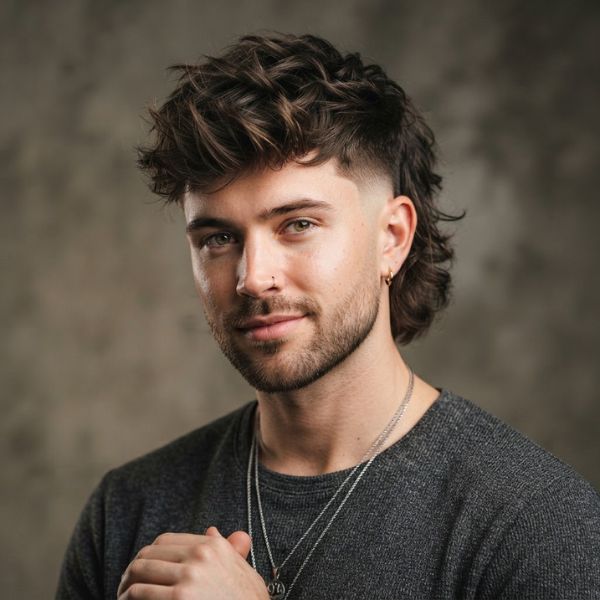
Texture through the top prevents the haircut from appearing flat. A matte styling product can emphasize separation.
Best for: Straight and thick hair.
Low Mullet Haircut With Curly Hair

Curly hair can create an impressive mullet shape naturally. The curls add volume and movement to the longer back.
The barber should preserve the natural curl pattern instead of removing too much weight.
Low Mullet Haircut With Wavy Hair
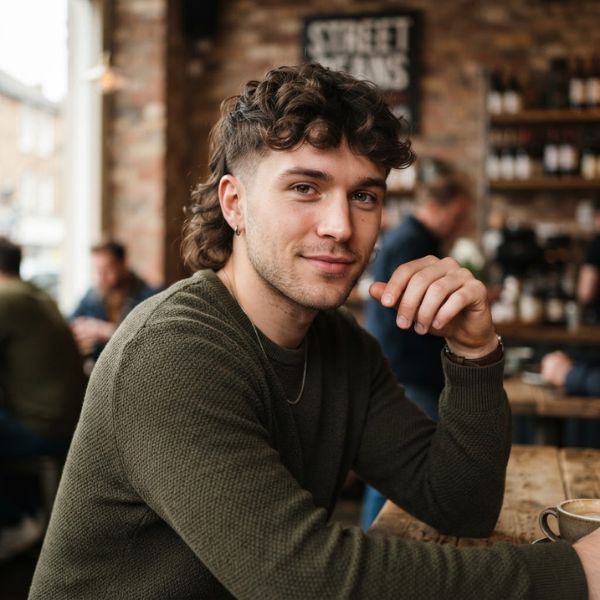
Waves are particularly useful for a relaxed mullet because they naturally create movement through the back.
A few soft layers can make the shape flow more naturally.
Low Mullet Haircut With Straight Hair

Straight hair gives the haircut a cleaner silhouette. Adding layers is important if you want movement rather than a flat back.
Best for: Men who prefer sharp, controlled styling.
Low Mullet Haircut With Thick Hair

Thick hair provides plenty of volume for a strong mullet shape. Strategic layering can reduce excess weight without destroying fullness.
Low Mullet Haircut for Fine Hair

Fine hair can work with a shorter, more controlled mullet. Avoid excessive thinning because removing too much density may make the back look sparse.
Low Mullet Haircut With Fringe

A fringe gives the front a distinct shape while the longer back creates the mullet silhouette.
A textured fringe works especially well with a low taper.
Low Mullet Haircut With Middle Part

The middle part creates a softer appearance at the front. The longer back keeps the haircut recognizable as a mullet.
Best for: Medium to longer hair.
Low Mullet Haircut With Side Part
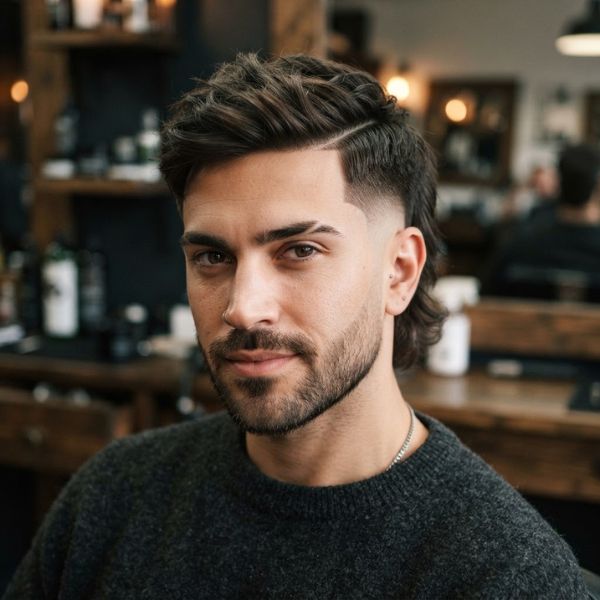
A side part gives the mullet a more structured appearance. This can be useful if you want a style that works in both casual and smarter settings.
Messy Low Mullet Haircut

The messy version uses choppy layers and natural texture. It looks intentionally relaxed rather than perfectly polished.
Best for: Wavy and thick hair.
Curly Low Taper Mullet
A low taper around curly hair creates clean edges while keeping the curls visible on top and through the back.
This is one of the strongest options for naturally textured hair.
Low Mullet Haircut With Shaggy Layers
Shaggy layers create more volume and movement throughout the haircut. This version sits between a mullet and a modern shag.
Best for: Wavy, thick, and textured hair.
Low Mullet Haircut With Feathered Back
The back is shaped into soft, feathered layers rather than blunt length. This creates a smoother flow and less rigid silhouette.
Low Mullet Haircut With Short Back
You do not need an extremely long back to create a mullet. A short, controlled tail can provide the basic shape while keeping the haircut easier to maintain.
Low Mullet With Long Back
A longer back creates a stronger mullet identity. Layers help prevent the additional length from becoming heavy or flat.
Low Mullet With Tapered Neckline
A tapered neckline keeps the lower back clean without creating a harsh squared line.
This is a good choice for men who prefer a natural grow-out.
Low Mullet With Skin Fade
This version creates significantly more contrast. The skin fade starts low while the back remains long.
Best for: Men who want an attention-grabbing modern mullet.
Low Mullet With Design
A small shaved design can be added around the faded section. Keep the design simple if you want the haircut to remain wearable.
Low Mullet With Bleached Hair
Color can emphasize the layers and texture of the haircut. Lightened hair may also make individual pieces more visually noticeable.
Low Mullet With Messy Fringe
A messy fringe gives the haircut a youthful, relaxed appearance. The longer back balances the shorter front.
Low Mullet With Textured Back
Instead of allowing the back to hang as one solid section, texture it with carefully placed layers.
This creates movement when the hair is worn naturally.
Low Mullet With Low Burst Fade
A burst-style fade can be concentrated around the ear while leaving the back longer. This creates a distinctive transition between the sides and mullet length.
Modern Low Mullet
The modern version focuses on softer transitions, controlled layers, and a more wearable overall shape.
It is less about recreating the exaggerated retro mullet and more about creating a balanced haircut for today’s styling preferences.
Low Mullet for Different Hair Types
Hair texture should influence how your barber cuts the style.
Straight Hair
Straight hair makes the silhouette easy to see, so the layers and back shape need to be intentional.
Ask for:
- Soft layers
- Controlled back length
- Clean low taper
- Texture around the crown
Wavy Hair
Wavy hair naturally adds movement to a low mullet. Avoid excessive thinning because it can create frizz.
Curly Hair
Curly hair can make the back look fuller and more dynamic. The barber should work with the natural curl pattern and allow for shrinkage.
Thick Hair
Thick hair is excellent for creating a strong mullet but may need weight removed around the crown and back.
Fine Hair
Keep the back relatively controlled. Heavy layering may remove too much density, so the goal should be shape rather than aggressive thinning.
Modern low taper mullet guides consistently recommend adapting the haircut to texture rather than using one fixed shape for every client.
Which Face Shapes Suit a Low Mullet?
The haircut can be adjusted for different face shapes by changing the amount of height, width, and length.
Round Face
A little height on top can create a longer visual profile. Avoid excessive width around the sides.
Oval Face
Oval faces can handle most low mullet variations, from short and textured to longer and flowing.
Square Face
A softer, layered mullet can complement a strong jawline without making the haircut look overly rigid.
Long Face
Avoid excessive height. A little more side volume and a controlled back can create better proportions.
Heart-Shaped Face
A textured top and balanced back can help distribute visual weight more evenly.
How Long Should the Back Be?
There is no universal length.
A short low mullet may keep only a few inches of extra length at the nape, while a more dramatic version can extend well below the collar.
Choose based on your lifestyle:
- Short back: Easier to maintain
- Medium back: Most versatile
- Long back: Stronger mullet appearance
If this is your first mullet, medium length is usually the easiest place to start.
How to Ask Your Barber for a Low Mullet
Clear communication can prevent the haircut from becoming much more dramatic than you expected.
Try saying:
“I want a modern low mullet with a low taper around the ears and neckline. Keep the sides fairly full, leave length in the back, and add soft layers so it moves naturally.”
Then specify:
- How short you want the sides
- Whether you want a taper or fade
- How long you want the back
- Whether you want a fringe
- How much texture you want
- Whether you want a natural or sharp neckline
Bring front, side, and back reference photos.
How to Style a Low Mullet
The best styling method depends on your hair texture.
For a natural finish
Use a light styling cream and shape the hair with your fingers.
For messy texture
Apply matte clay or texture paste to dry hair and separate the layers.
For wavy hair
Use a lightweight curl or wave product and allow the texture to develop naturally.
For straight hair
Use sea salt spray before blow-drying if you want additional movement.
For a polished look
Use a small amount of pomade or styling cream to control the front while allowing the back to flow.
Do not overload the hair with products. The movement is part of the haircut.
Is a Low Mullet High Maintenance?
A low taper mullet can be relatively manageable because the taper is kept low and the sides retain more weight.
The maintenance depends on the version you choose.
A sharper low fade may need more frequent cleanup, while a softer taper can grow out more naturally. Some current barber guides specifically describe the low taper as a lower-maintenance version because the shortened area is concentrated around the perimeter.
How Often Should You Get a Low Mullet Trimmed?
A practical schedule is:
- 3 to 4 weeks: Sharp taper and clean edges
- 4 to 6 weeks: Standard maintenance
- 6 to 8 weeks: Longer, relaxed version
The back may need shaping even if the sides still look acceptable.
Low Mullet vs Modern Mullet
A low mullet specifically refers to the lower placement of the taper or fade.
A modern mullet is a broader category that can include different side lengths, textures, layers, and back lengths.
A modern mullet can therefore be low, mid, high, tapered, faded, curly, shaggy, or heavily textured.
Low Mullet vs Wolf Cut
These styles overlap but are not identical.
A low mullet generally emphasizes a cleaner side profile and distinct longer back.
A wolf cut usually relies on heavier layering throughout the head, creating a more shaggy and voluminous shape.
If you want cleaner sides and a more recognizable back length, choose the low mullet.
If you want layers and volume throughout the entire haircut, the wolf cut may be better.
Common Low Mullet Mistakes
Avoid these common problems:
- Taking the taper too high
- Cutting the back too short
- Removing too much weight from curly hair
- Over-thinning fine hair
- Creating an overly blunt back
- Choosing a style without considering your face shape
- Giving the barber only a front reference photo
- Asking for a “mullet” without explaining how modern you want it
The best haircut depends on communication as much as the haircut name.
Who Should Get a Low Mullet?
A low mullet is a strong choice if you:
- Want a modern haircut with personality
- Like longer hair in the back
- Want less aggressive sides than a high fade
- Enjoy textured hairstyles
- Have straight, wavy, curly, or thick hair
- Want multiple styling options
- Like retro-inspired cuts with a contemporary finish
It may not be ideal if your workplace requires a very conservative haircut or if you strongly prefer a uniform short style.
FAQ’s:
What is a low mullet haircut?
A low mullet keeps the sides relatively short or tapered while leaving noticeable length through the back, with the transition kept low.
What is a low taper mullet?
It is a mullet with a soft taper around the sideburns and neckline while keeping more natural weight on the sides.
Is a low mullet good for straight hair?
Yes. Straight hair can create a clean silhouette, while layers add movement and prevent the back from looking flat.
Is a low mullet good for curly hair?
Yes. Curly hair can give the mullet natural volume and movement when the barber works with the curl pattern.
What is the difference between a low mullet and a low fade mullet?
A low fade removes more weight from the lower sides, while a low taper generally leaves more side hair and creates a softer transition.
Is a low mullet professional?
A subtle low taper mullet can look relatively polished, although workplace dress codes vary.
How long should the back of a low mullet be?
There is no fixed length, but medium length is a versatile starting point for someone trying the style for the first time.
How often should a low mullet be trimmed?
Most versions benefit from shaping every 3 to 6 weeks, depending on how sharp you want the taper and neckline.
Does a low mullet suit a round face?
Yes. Controlled height on top and limited side width can create a more balanced appearance.
Can thin hair have a low mullet?
Yes, but avoid excessive thinning. Keeping enough density through the back usually produces a stronger result.
Is a low mullet the same as a wolf cut?
No. A wolf cut usually has heavier layers throughout the head, while a low mullet places more emphasis on the longer back and cleaner sides.
What should I tell my barber?
Ask for a modern low mullet, specify the taper or fade height, explain how much side weight to keep, and show front, side, and back reference photos.
Conclusion
The low mullet haircut is a modern take on a classic style, giving men the freedom to keep noticeable length in the back without creating an overly dramatic appearance. Its low taper or fade keeps the sides clean while allowing the top and back to retain texture, movement, and personality. Whether your hair is straight, wavy, curly, thick, or fine, the cut can be adjusted to suit your natural texture and preferred level of maintenance. Choosing the right length and layering can also make the style more flattering for your face shape.
Before getting a low mullet haircut, talk to your barber about the taper height, side length, back length, and amount of texture you want. Bring clear reference photos from different angles so your barber can understand the exact shape you prefer. With the right customization and regular maintenance, a low mullet can be stylish, comfortable, and easy to make your own.