The Modern Mullet Boys has transformed the traditional mullet into a cleaner, more wearable hairstyle for today’s trends. Instead of relying on an extreme difference between the front and back, contemporary versions use fades, tapers, texture, layers, curls, and controlled length to create a more balanced appearance.
What makes this haircut especially versatile is the number of ways it can be customized. You can keep the sides short, leave the top textured, make the back subtle, or create a much more dramatic silhouette. Your natural hair type also plays an important role in choosing the right variation.
1. Classic Modern Mullet Boys
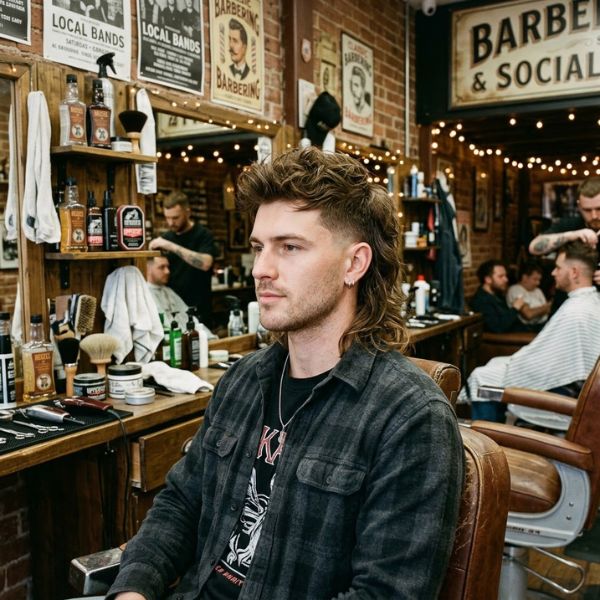
The classic contemporary version keeps the recognizable longer length at the back while making the sides and top cleaner than an old-school mullet. The transition is usually blended rather than extremely disconnected.
This makes it a practical choice for someone who wants the character of a mullet without an overly dramatic haircut. The top can be worn naturally textured, slightly messy, or brushed backward.
A moderate amount of length at the back also makes this variation easier to maintain. It can work with straight, wavy, or slightly curly hair.
2. Modern Mullet With Low Fade

A low fade creates a cleaner appearance around the lower sides while preserving more weight around the upper sides and back. This gives the haircut a subtle contrast.
It is a good choice for people who want something fashionable without making the haircut look too aggressive. The longer back remains noticeable but blends naturally into the overall shape.
For styling, a matte paste can add separation to the top while keeping the finish natural.
3. Modern Mullet With Mid Fade

A mid fade creates more contrast than a low fade and makes the longer top and back more noticeable. The fade begins around the middle of the sides, producing a sharper silhouette.
This variation works particularly well with thick or textured hair. The reduced side volume helps the top and back appear fuller and more defined.
You can style the front forward, upward, or slightly backward depending on the desired look.
4. Textured Modern Mullet
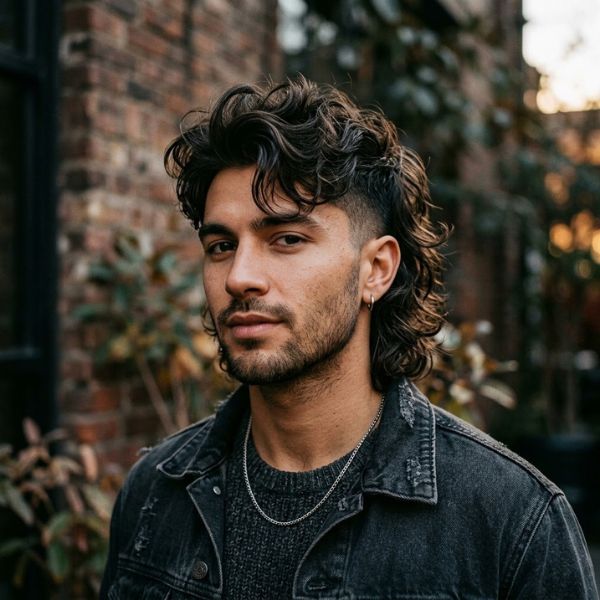
Texture is one of the easiest ways to make this haircut look contemporary. Choppy layers throughout the top and back create movement instead of leaving the hair looking heavy.
This version works particularly well for medium-density hair. A matte clay or texture powder can separate individual sections and create an intentionally relaxed finish.
The textured approach also makes the haircut look more natural as it grows.
5. Curly Modern Mullet

Curly hair gives the style plenty of natural personality. The curls can remain longer at the back while the sides are reduced to create contrast.
The barber should consider the natural curl pattern before deciding how short to cut the sides. Removing too much weight can sometimes change how curls sit.
A lightweight curl cream can enhance definition while keeping the haircut soft and natural.
6. Wavy Modern Mullet

Natural waves are particularly suitable for this haircut because they automatically create movement through the top and back.
Rather than straightening the hair, allow the waves to form naturally. A lightweight styling cream can control frizz while maintaining the relaxed texture.
This variation has a casual appearance that can work well for everyday styling.
7. Short Modern Mullet
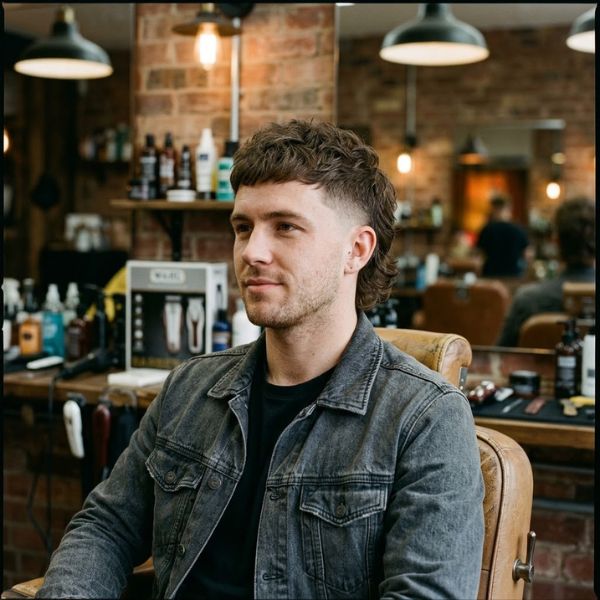
A shorter version is ideal if you want the recognizable shape without committing to a long back. The difference between the front, sides, and back remains visible but is considerably more subtle.
It is easier to maintain than longer versions and can suit people who prefer a clean, practical hairstyle.
The short back can also be combined with a taper for an even softer appearance.
8. Long Modern Mullet

For a stronger fashion statement, keeping more length at the back creates a dramatic silhouette. The top can remain layered while the back extends toward the neck.
This variation works particularly well with naturally thick, wavy, or curly hair. The additional length allows the stylist to create more visible movement.
Regular trimming is still useful because the back can quickly lose its intended shape as it grows.
9. Modern Mullet With Taper

A taper offers a more understated alternative to a strong fade. The sides and neckline gradually become shorter while retaining some natural fullness.
This version is ideal for someone who wants the mullet shape but prefers a more classic finish. It can also be easier to wear in professional environments.
The top can be textured or swept backward to create a polished but relaxed appearance.
10. Modern Mullet With Fringe

Adding a fringe changes the character of the haircut considerably. The front can be cut straight, textured, choppy, or slightly longer depending on the desired result.
A textured fringe works especially well because it complements the layered back. It also gives the haircut a youthful, contemporary appearance.
People with longer foreheads may particularly enjoy this variation because the fringe changes the visual proportions of the face.
11. Messy Modern Mullet
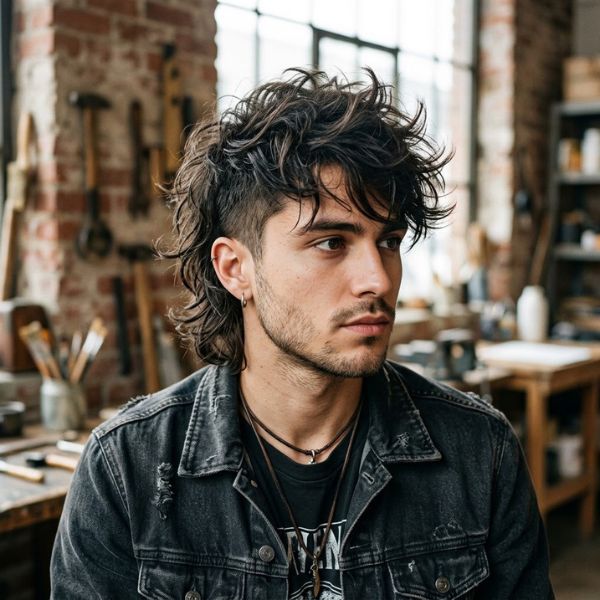
The messy version emphasizes natural movement rather than precise styling. The top and back are layered so the hair can fall into slightly uneven sections.
This is a good option if you prefer low-effort styling. Apply a small amount of matte product, work it through the hair with your fingers, and allow the layers to create the shape.
The result is relaxed without looking completely unstyled.
12. Modern Mullet With Beard
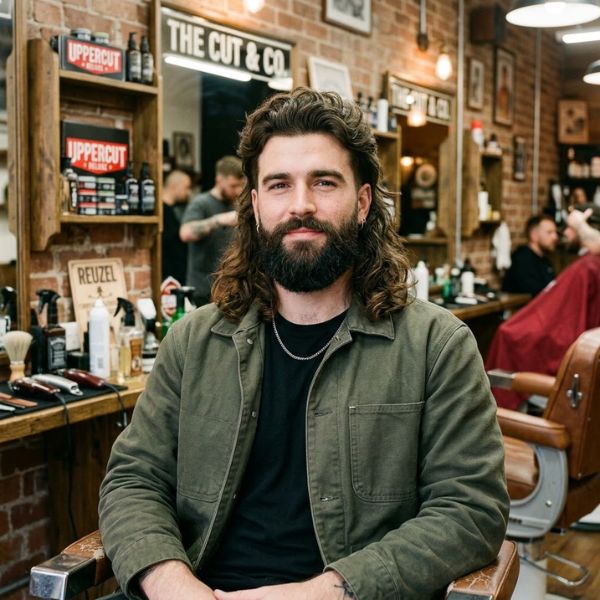
A beard can add visual weight to the lower part of the face and balance the longer hair at the back. The beard does not need to be particularly long.
A short, neatly shaped beard can create a clean appearance, while a fuller beard gives the haircut a stronger and more rugged character.
Connecting the sideburn area carefully can help create a smoother transition between the haircut and facial hair.
13. Blonde Modern Mullet
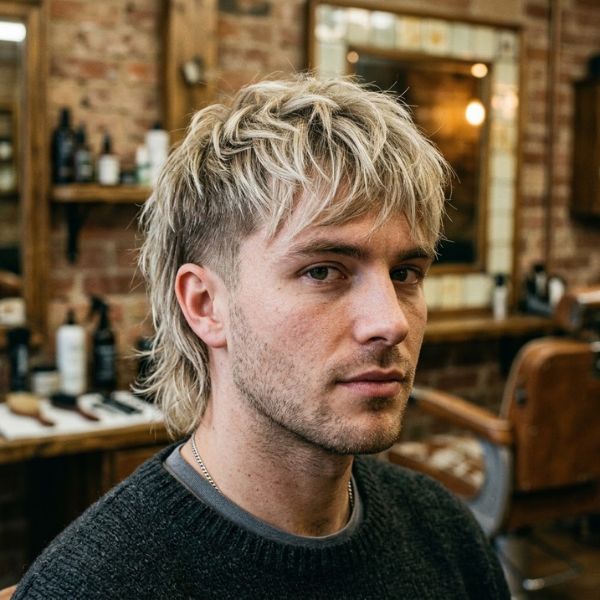
Color can completely change the appearance of this haircut. Blonde tones emphasize layers because the different lengths catch the light differently.
You can choose a natural dark blonde, warmer shade, platinum finish, or subtle highlights. The best option depends on your existing hair color and desired maintenance level.
Textured styling usually works particularly well with lighter shades because it makes the layers more visible.
14. Edgy Modern Mullet
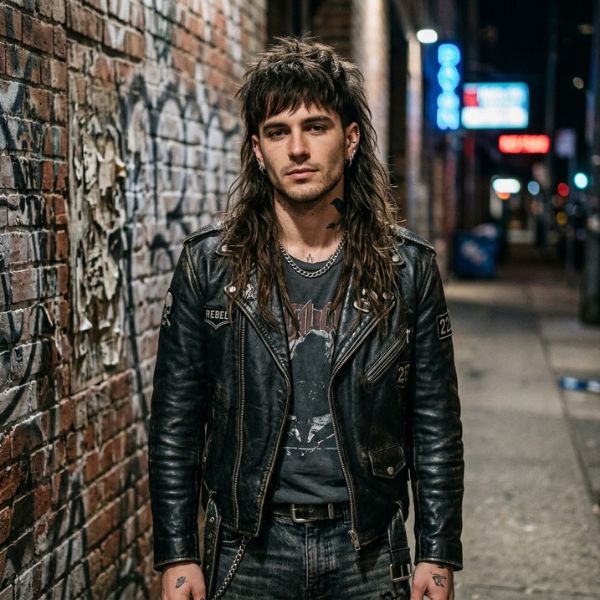
An edgy variation can include stronger disconnections, sharper fades, dramatic length at the back, or highly visible texture.
This version is better suited to someone who wants the haircut itself to become the main feature of their appearance.
A professional barber can customize the contrast according to your comfort level. You do not necessarily need an extreme cut to create an edgy effect.
15. Natural Modern Mullet

The natural version keeps the haircut relatively soft. The sides are trimmed without an aggressive fade, while the top and back maintain natural movement.
This is an excellent option for people who want a hairstyle that grows out gracefully.
Minimal styling is usually required. A small amount of lightweight cream can control flyaways while allowing the natural texture to remain visible.
How to Style a Modern Mullet
Start with clean, slightly damp hair. Apply a lightweight styling product according to your hair texture. If your hair is straight, a texture spray can help create movement. For wavy or curly hair, a curl-enhancing cream can preserve the natural pattern.
Use your fingers while blow-drying rather than relying entirely on a brush. This helps maintain separation and prevents the hairstyle from looking overly polished.
Once dry, apply a small amount of matte paste to the ends. Avoid excessive product because the haircut should retain movement.
Which Face Shapes Suit This Haircut?
The haircut can be adapted to many face shapes by changing the length and volume.
Oval faces generally work well with many versions. Round faces can benefit from additional height on top and tighter sides, which can create a more elongated appearance.
Longer faces may look better with moderate top volume and a fuller fringe. Square faces can suit stronger, more structured versions because the haircut complements defined facial features.
How Often Should You Trim It?
The frequency depends on the variation. Fade and taper versions generally require more frequent maintenance because the shorter sides become noticeable as they grow.
If you choose a softer, natural variation, you can usually allow more time between appointments.
Keeping the back shaped is also important. A quick trim can prevent the longer section from becoming uneven or losing its intended silhouette.
Frequently Asked Questions:
Is the modern mullet still fashionable?
Yes. Contemporary versions have become much more versatile because fades, tapers, texture, and different lengths allow the haircut to be customized rather than following one fixed shape.
What hair type works best?
Straight, wavy, and curly hair can all work. The best variation depends on natural density, texture, and how much styling you want to do.
Is a modern mullet difficult to maintain?
Not necessarily. A natural or textured version can require very little daily styling, while fades and more dramatic versions need more regular barber visits.
Can I combine it with a fade?
Yes. Low, mid, and high fades can all be incorporated. The fade level determines how strong the contrast will appear.
Is a modern mullet suitable for professional settings?
A softer version with a taper, moderate back length, and controlled texture can be considerably more workplace-friendly than an extreme variation.
Conclusion
The modern mullet offers far more versatility than the traditional version. With 15 different variations, you can choose between fades, tapers, curls, waves, fringes, textured layers, longer backs, and natural finishes.
The best approach is to consider your hair type, face shape, maintenance preferences, and personal style before choosing a specific variation. Show your barber a reference photograph and explain how dramatic or subtle you want the transition to be. With the right proportions and styling, this haircut can create a distinctive look while remaining practical enough for everyday wear.